English| EUR
Suggested for you
More currencies
Choose a language
The Karimunjawa archipelago shelters twenty-seven islands within a designated marine national park, where coral coverage exceeds seventy percent in protected zones. This guide maps the reefs with the highest visibility, the marine sanctuary access protocols, and the tidal windows that separate good snorkeling from exceptional encounters.
Quick answer
The best snorkeling Karimunjawa sites concentrate in three zones: Menjangan Kecil's shallow hard coral gardens with consistent five-to-fifteen-meter visibility, Cemara Kecil's turtle feeding grounds accessible only by boat, and the Taka Menjangan sandbar where reef sharks patrol drop-offs. Morning arrivals between 08:00 and 12:00 capture peak water clarity before afternoon tide changes stir sediment. A 150,000 IDR conservation fee grants foreign visitors access to all marine park zones daily from 08:00 to 16:00.
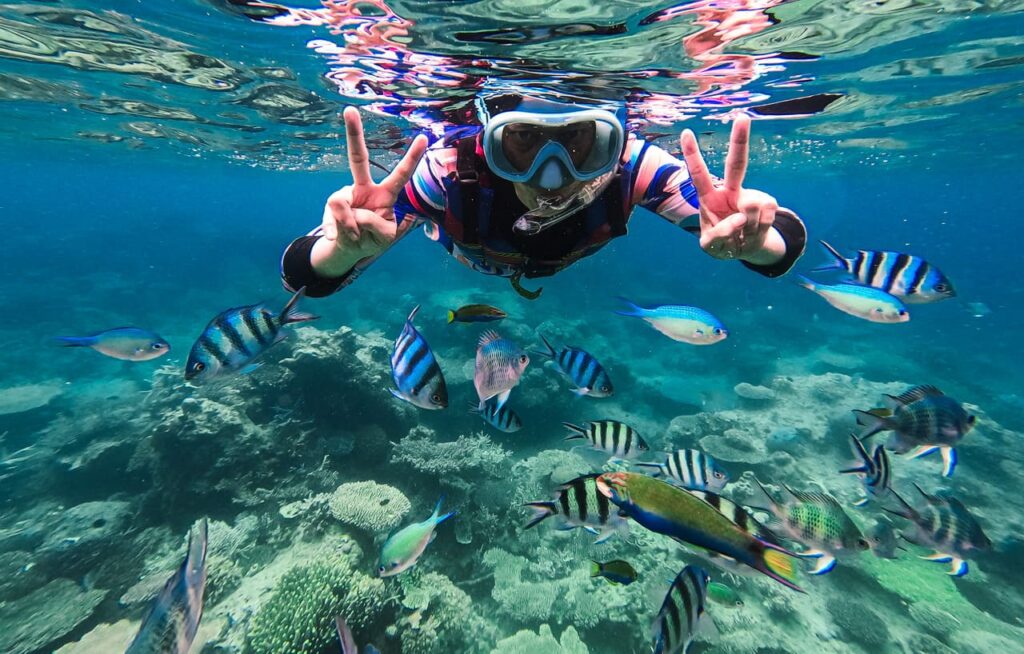
Karimunjawa's status as a marine national park means its reefs operate under zoning rules that directly affect where and how visitors snorkel. The archipelago divides into core sanctuary zones with restricted access, traditional-use areas where local fishing continues, and general recreation zones open to tour operators. Menjangan Kecil sits in a general recreation zone two kilometers offshore from the main settlement, where boat operators anchor above sloping coral walls that begin in waist-deep water. Hard corals dominate the substrate—table corals extend three meters across, brain corals form boulders the size of vehicles, and staghorn thickets shelter schools of fusiliers and surgeonfish. Visibility here ranges from five meters on cloudy days to fifteen meters when morning light penetrates undisturbed water. The shallow depth means snorkelers spend thirty to forty-five minutes over the reef without fatigue. Cemara Kecil lies farther west in a zone with stricter visitor limits, its seagrass beds drawing green turtles that surface every few minutes to breathe. Access requires booking through licensed operators who hold marine park permits. Taka Menjangan presents a different environment entirely: a crescent sandbar that emerges at low tide, surrounded by drop-offs where blacktip reef sharks cruise the ledges. The site sits three kilometers offshore in open water, reachable only by speedboat in calm conditions. Currents here shift with the tide, creating drift-snorkel opportunities along the outer reef where pelagic fish—trevally, barracuda, occasionally Spanish mackerel—pass through channels. Guides time departures to slack water windows when current pauses between tidal shifts. Water clarity across all sites peaks between April and October during the dry southeast monsoon, when offshore winds suppress wave action and runoff ceases. The northwest monsoon from November to March brings afternoon squalls that reduce visibility and limit boat departures. Most operators schedule snorkeling trips as morning half-day outings, departing the main harbor by 08:30 and returning before the 16:00 marine park closure. The conservation fee structure funds ranger patrols and mooring buoy maintenance that prevents anchor damage to coral. Operators must use designated mooring points at each site, and groups larger than ten snorkelers require a marine park guide to accompany them. These protocols keep the reefs accessible while limiting cumulative impact across the thirty-thousand-hectare reserve.
“Karimunjawa's reefs operate under marine park zoning rules that determine where visitors snorkel and which sites require permitted operators.”
The best arrival window is 08:00–12:00, as this period provides optimal water clarity and visibility for snorkeling before afternoon tide changes occur. Selecting the right season further ensures calm sea conditions for navigating between the islands.
Dry season, 27-30°C
This period offers the calmest seas and highest water visibility for underwater activities.
Rainy season, 25-28°C
Expect frequent rain and rougher sea conditions which may limit boat access to snorkeling spots.
—
Visiting during weekday mornings allows for a quiet experience before the afternoon tide shifts water conditions.
Verdict: The best time for snorkeling is between April and October, specifically on weekday mornings arriving between 08:00 and 12:00.
The marine park is open daily to accommodate visitors participating in snorkeling activities throughout the Karimunjawa Islands.
The Karimunjawa Islands are located in the Jepara Regency, Central Java. Travelers typically reach the islands by sea transport departing from Kartini Harbor in Jepara.
Express Bahari Ferry from Kartini Harbor to Karimunjawa
KMP Siginjai Ferry from Kartini Harbor to Karimunjawa
Plan your arrival to the islands within the best arrival window of 08:00–12:00 to ensure optimal water clarity and visibility for your snorkeling sessions.
Arriving prepared ensures safe, comfortable snorkeling in Karimunjawa's marine park waters.
Everything you need to know about best snorkeling karimunjawa
The Karimunjawa Islands offer diverse coral reefs and clear tropical waters, making them a premier destination for underwater exploration. Visitors can encounter vibrant marine life and calm lagoons by participating in a professional Karimunjawa underwater tour.
To ensure the best water clarity and visibility, plan your arrival window between 08:00 and 12:00. Morning conditions are generally superior before afternoon tide changes affect the current.
Yes, all foreign tourists are required to pay a conservation fee of 150,000 IDR per person. This contribution supports the preservation of the local marine national park.
Travelers typically depart from the main island by boat to reach various islets and reef hotspots. Detailed logistics regarding boat charters and group excursions are available in the transport section of this site.
Children are welcome to join snorkeling trips provided they are comfortable in the water and wear appropriate safety gear. It is recommended to choose calm, shallow sites suitable for families.
You should pack swimwear, sunscreen, a waterproof camera, and personal snorkeling gear if you prefer using your own equipment. Ensuring you have adequate sun protection is essential for long days on the water.