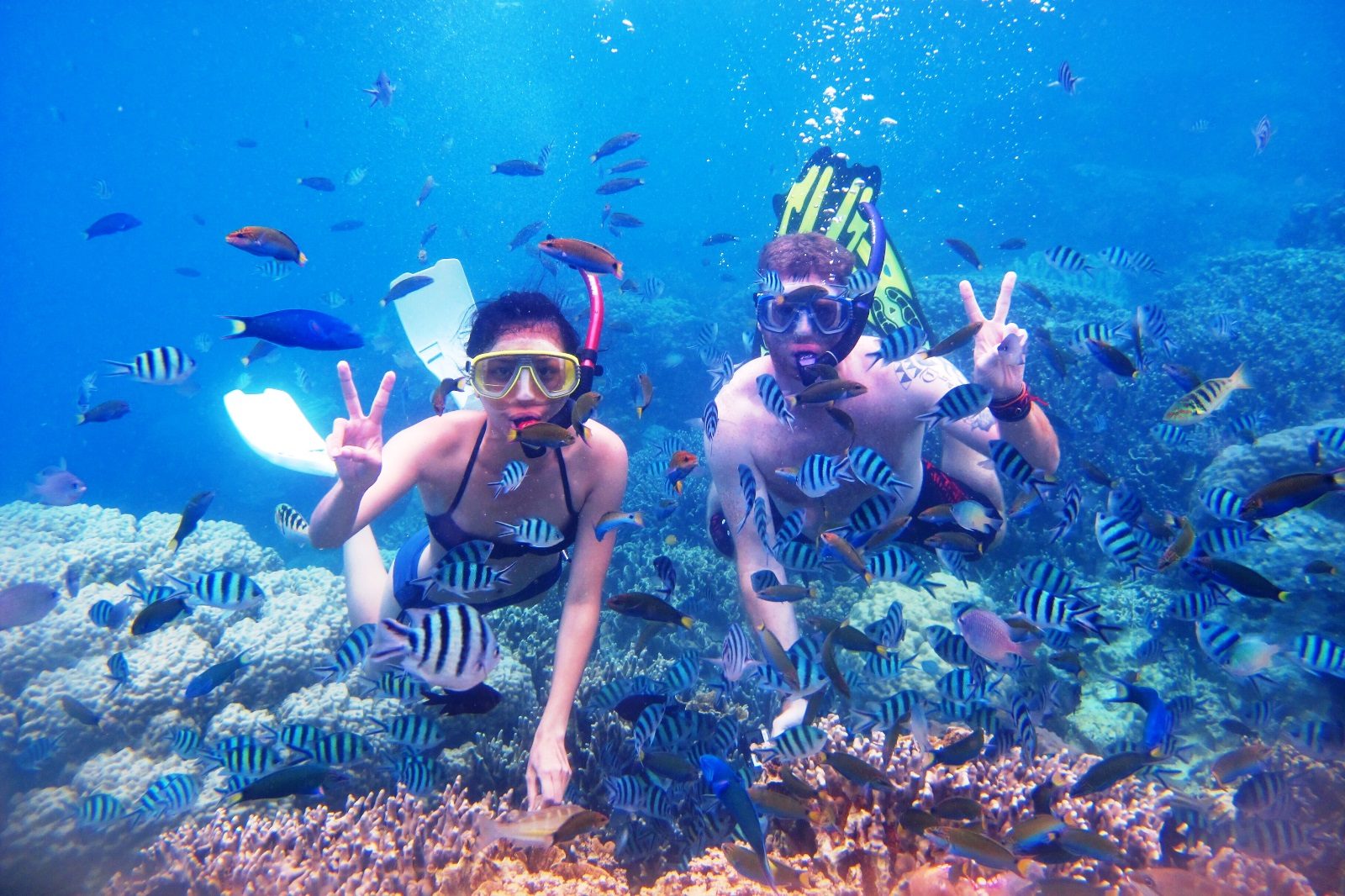
Menjangan Kecil
This island is known for its shallow coral reefs and proximity to the main hub. It offers calm waters suitable for observing small reef fish and soft corals.
Visit during the morning to see active reef fish.
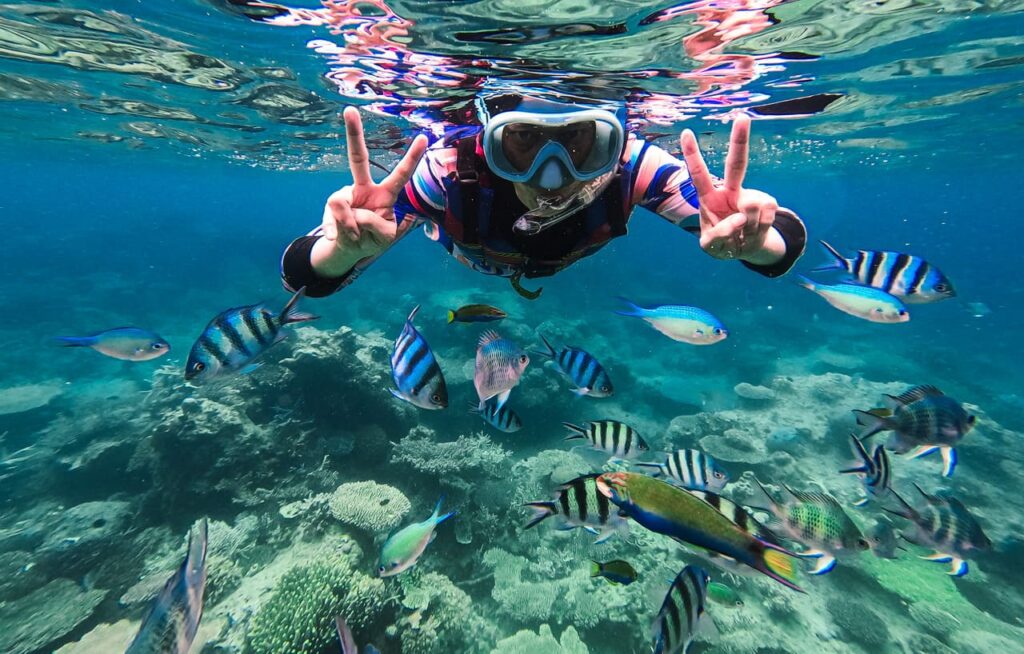
The Karimunjawa archipelago protects 27 islands and some of Central Java's clearest shallow reefs, accessible by boat from Jepara. Morning departures offer calmer seas and better underwater visibility before thermal layers shift. This guide covers marine park access, reef conditions, and practical logistics for snorkeling Karimunjawa Jepara.
Quick answer
Marine park access runs 08:00–16:00 daily with a 150,000 IDR conservation fee per person, per day. The best arrival window is 08:00–12:00 when seas are calmer, visibility peaks at 15–25 meters, and surface conditions favor boat transfers. Afternoon wind picks up and stirs sediment, reducing clarity at popular sites near Menjangan Kecil and Cemara Besar.
Karimunjawa sits 83 kilometers northwest of Jepara in the Java Sea, where nutrient-rich currents sustain hard coral gardens and schooling fish absent from most mainland shores. The archipelago's marine park designation in 1986 placed strict limits on anchoring and waste discharge, preserving reef structures that now draw snorkelers to sites like Tengah Island's drop-offs and the shallow staghorn fields south of Cemara Kecil. Underwater visibility fluctuates with tide cycles and seasonal plankton blooms. March through October delivers the clearest water, often exceeding 20 meters at outer sites, while November through February sees occasional sediment plumes from monsoon runoff. Most snorkeling happens at five to twelve meters depth over sloping coral terraces where sunlight penetrates fully. Blacktip reef sharks, green turtles, and parrotfish occupy these zones year-round. Boat operators based in Karimunjawa village run half-day and full-day trips to multi-site circuits. Typical itineraries combine three to five stops, each allowing 30 to 45 minutes in the water. Equipment rental is available at harbor kiosks and included with most guided tours. The conservation fee applies regardless of tour type and covers land and marine zones across the protected area. Thermal stratification develops by midday as surface water heats, creating a hazy layer that degrades visibility and makes photography difficult. Early starts also avoid the afternoon wind that roughens the channel between Kemujan and the outer islands. Snorkelers prone to seasickness benefit from morning crossings when swells stay under half a meter.
“Thermal stratification develops by midday, creating a hazy layer that degrades visibility and makes underwater photography difficult.”
The best arrival window for snorkeling in Karimunjawa is between 08:00–12:00 to capitalize on calmer seas and higher water visibility. Planning your visit during the transition periods between wet and dry seasons further ensures more consistent underwater conditions.
Stable, dry weather, 27–32°C
Ideal for boat departures and consistent water clarity.
Frequent rain, 25–30°C
Expect higher swells and potential boat schedule disruptions.
—
Aim for the 08:00–12:00 arrival to avoid midday heat and afternoon winds.
Verdict: The optimal time for a snorkeling trip is mid-week from May to September, arriving between 08:00 and 12:00.
Snorkeling activities in the Karimunjawa Islands operate on a consistent daily schedule. Visitors should plan their excursions to align with these set operating hours.
The Karimunjawa Islands are located in the Jepara Regency, Central Java. Travelers reach the islands primarily by boat departing from the Kartini Harbor in Jepara.
Drive to Kartini Harbor, Jepara
Public bus to Jepara Terminal, then local transport to Kartini Harbor
Express Bahari ferry from Kartini Harbor to Karimunjawa Harbor
Plan your travel to reach the port within the best arrival window of 08:00–12:00. This timing ensures calmer seas and better visibility for your onward journey.
The Karimunjawa archipelago features diverse marine zones, ranging from shallow coral gardens to deeper channels hosting significant biodiversity. These areas provide varied environments for observing tropical marine life in their natural habitat.
This island is known for its shallow coral reefs and proximity to the main hub. It offers calm waters suitable for observing small reef fish and soft corals.
Visit during the morning to see active reef fish.
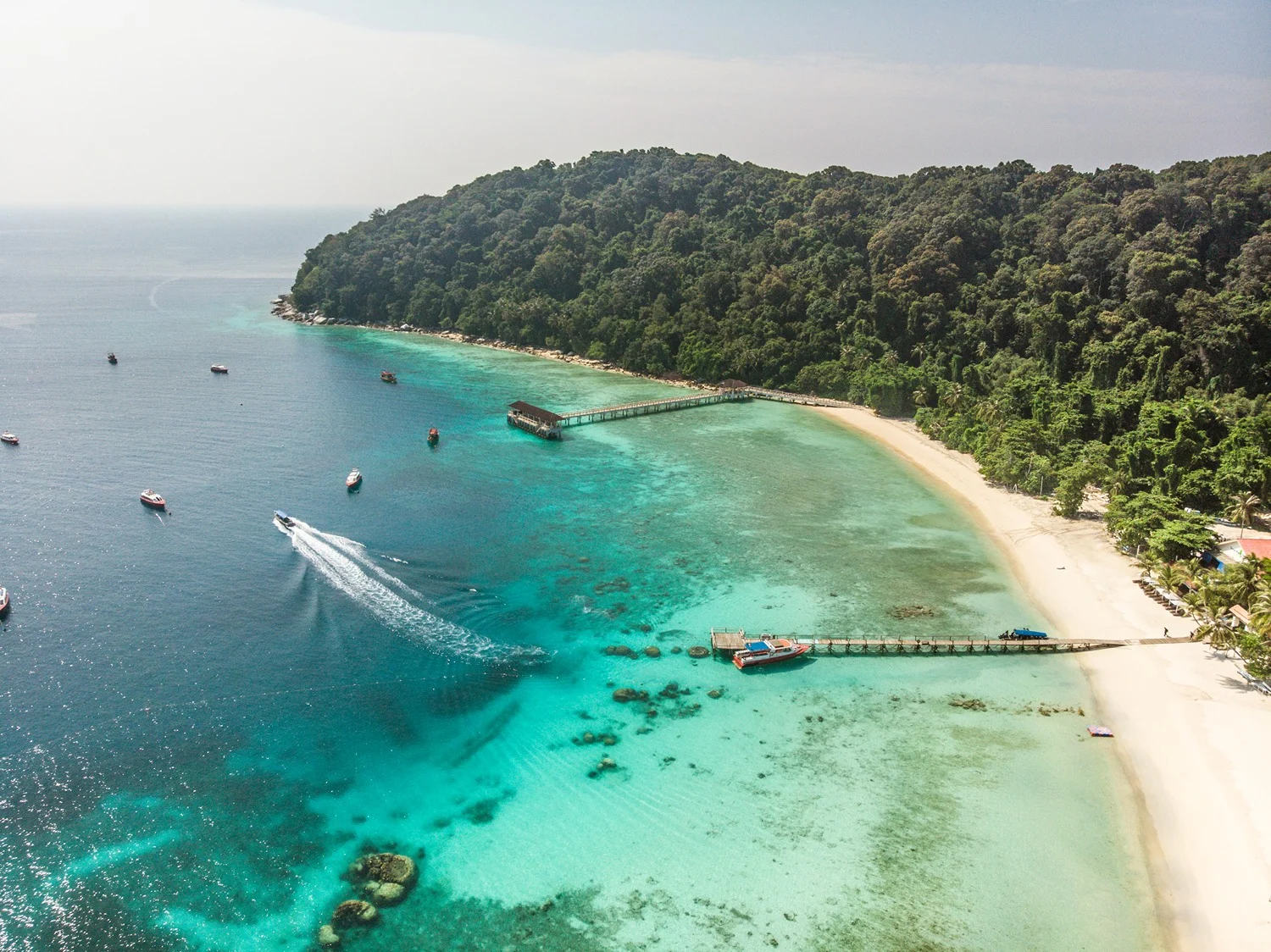
Characterized by wide, sandy-bottomed areas adjacent to extensive coral formations. The visibility here often allows for clear viewing of larger marine life and coral structures.
Swim along the outer reef edge for best visibility.
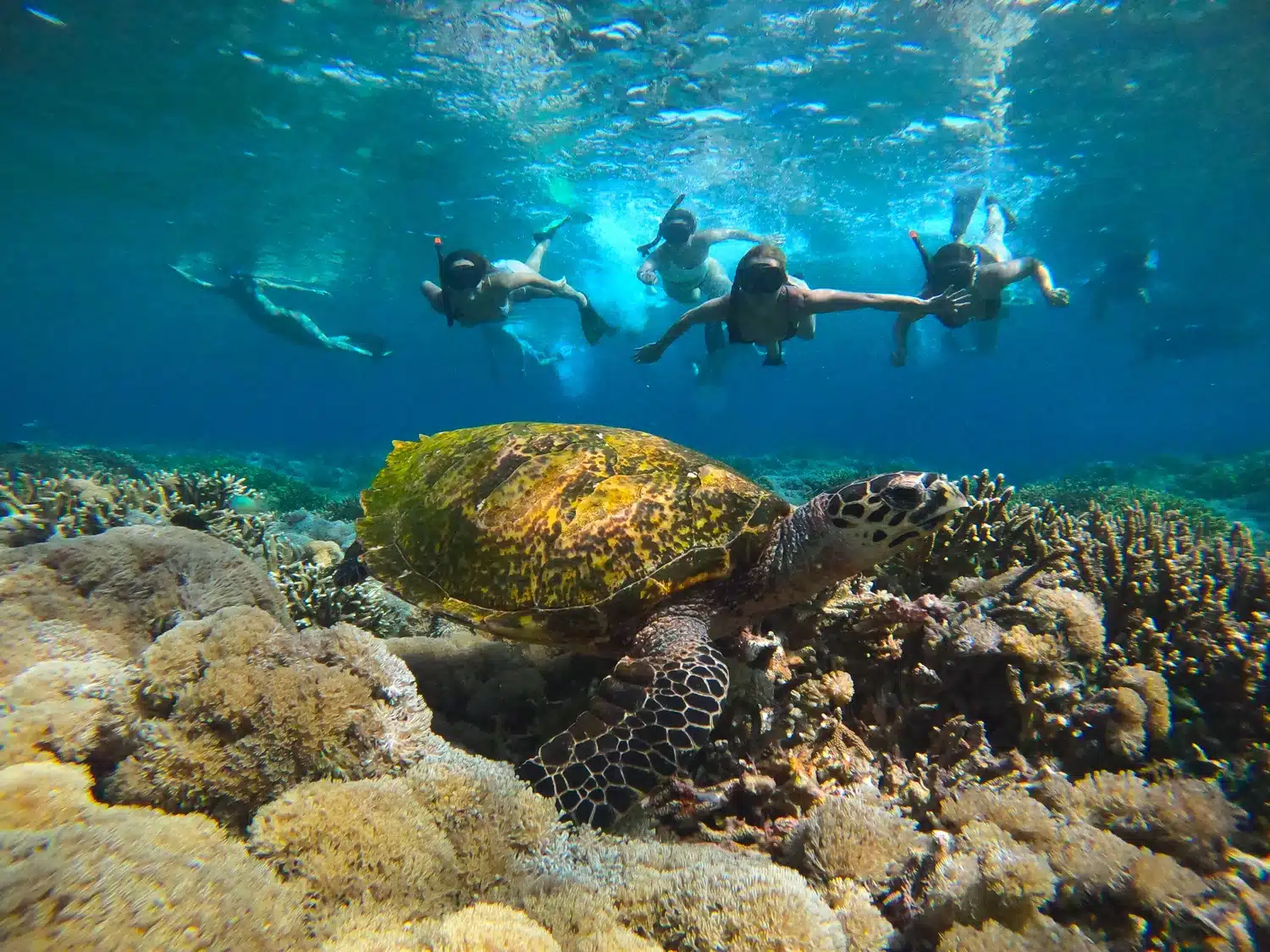
A submerged reef zone that serves as a primary destination for experienced snorkelers. It hosts dense coral cover and a high density of reef species.
Use a boat anchor point to navigate the currents.
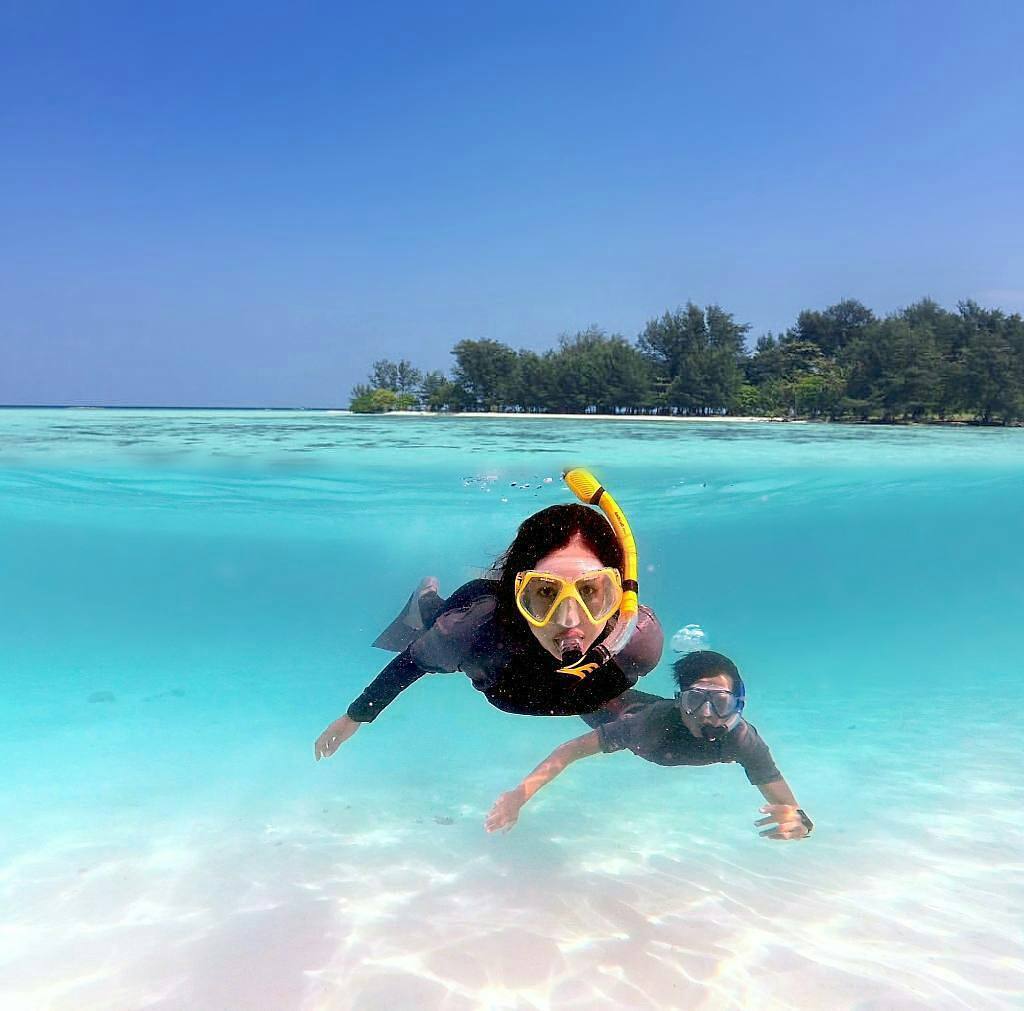
Features a sloping reef wall that drops off into deeper water. This transition zone is often frequented by schools of pelagic fish.
Watch the drop-off for larger marine species.
Karimunjawa's marine park enforces strict conservation protocols to protect coral reefs and marine species. Violations carry fines and may result in permit suspension.
A successful snorkeling trip starts with the right preparation before you arrive in Karimunjawa.
Everything you need to know about snorkeling karimunjawa jepara
The best arrival window for snorkeling karimunjawa jepara is between 08:00 and 12:00. Arriving during these hours ensures calmer seas and better visibility for underwater exploration. You will also avoid the intense heat found in the middle of the day.
The mandatory conservation fee is 150,000 IDR per person, per day. This fee is used to maintain the local marine ecosystem and support conservation efforts. Please keep your payment receipt with you during your visit.
Yes, the marine park is open daily from 08:00 to 16:00. This includes weekends and public holidays, allowing for flexible travel planning. Always verify weather conditions with local boat operators before planning your excursion.
When preparing for a snorkeling karimunjawa jepara excursion, remember to pack eco-friendly sunscreen, a waterproof bag, and your own equipment if preferred. Wearing a rash guard protects your skin from the sun and minor abrasions while swimming. Proper hydration is essential, so bring plenty of water for your time on the boat.
Many shallow coral gardens are accessible and calm, making them ideal for families interested in a karimunjawa island tour. However, children must wear well-fitted life jackets at all times. Always consult with your boat captain regarding current water conditions to ensure safety.
Exploring the archipelago for snorkeling karimunjawa jepara generally requires a boat and a knowledgeable local guide. A licensed guide ensures you visit designated zones without damaging the coral reefs. They are also vital for navigating the changing tides and finding the most vibrant aquatic life.