Snorkeling Karimunjawa
Visitor Guide

Snorkeling Karimunjawa Reviews

The Karimunjawa archipelago shelters 27 islands inside a national marine park, with visibility that regularly exceeds 15 meters and reef systems hosting over 400 coral species. Visitor accounts help separate the crowded boat-tour circuits from the quieter sites where sea turtles feed and blacktip reef sharks patrol the shallows.

8 min read Updated 2026-09-30 Fact-checked
Snorkeling Karimunjawa Reviews

Quick answer

Snorkeling Karimunjawa reviews consistently highlight Menjangan Kecil and Cemara Kecil as the clearest sites, with visitors reporting visibility between 15 and 25 meters during the dry season. Most feedback praises smaller, locally operated boats over large group tours, citing better site selection and longer immersion time. The conservation fee of 150,000 IDR per person per day applies across all marine zones, and morning departures between 08:00 and 09:00 reliably avoid afternoon wind chop.

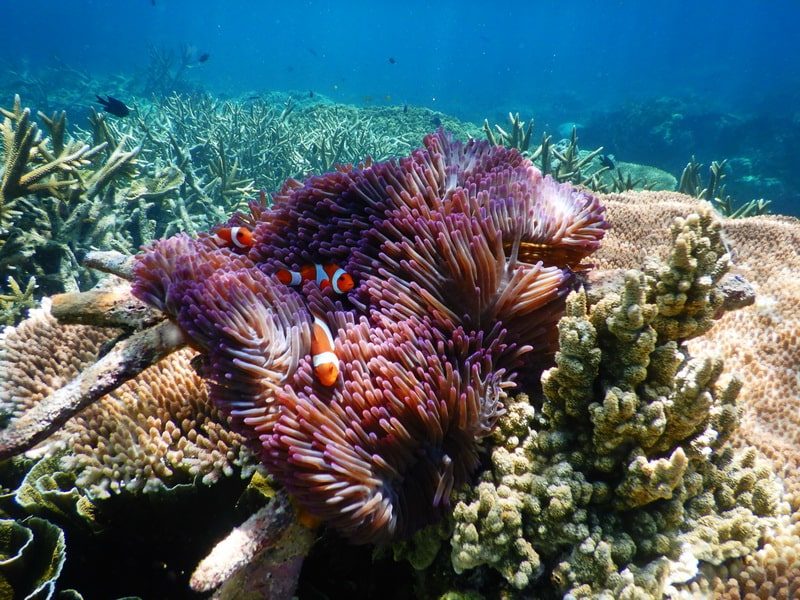
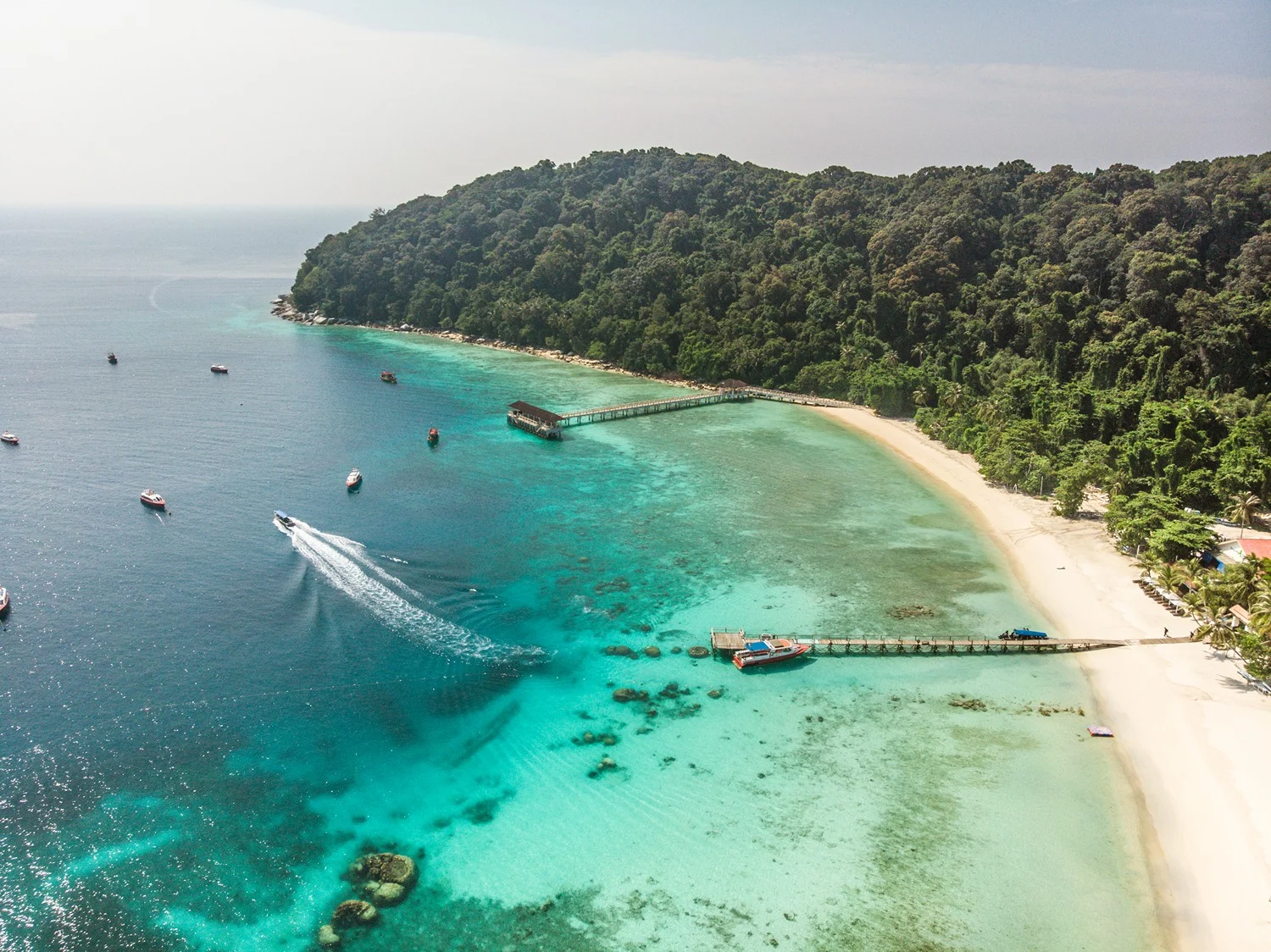
Karimunjawa's reputation rests on a geological advantage: the Java Sea current sweeps plankton west of the archipelago, leaving the eastern reefs with gin-clear water that draws repeat visitors from Semarang and beyond. The national park encompasses 110,000 hectares of marine habitat, and visitor feedback reveals a stark divide between the heavily trafficked sites near Karimunjawa town and the outer islands where coral cover remains dense and fish populations thrive undisturbed. Snorkeling karimunjawa reviews published between late 2025 and mid-2026 converge on a handful of recurring themes. Menjangan Kecil, a 20-minute boat ride northeast of the main island, earns consistent praise for hawksbill turtle sightings and hard coral gardens that rise within two meters of the surface. Cemara Kecil, slightly farther east, offers shallow seagrass beds where juvenile blacktip reef sharks rest during morning hours. Visitors who charter private boats report encounters with Napoleon wrasse and schools of fusiliers that rarely approach the busier mooring points. The difference in marine life density between peak-hour group tours and early-morning private charters appears in nearly every comparative account. Operator selection emerges as the variable most directly tied to satisfaction. Travelers consistently single out small wooden boats crewed by Javanese fishermen who grew up navigating these reefs, contrasting them with larger fiberglass vessels that follow fixed itineraries and impose strict time limits at each site. Equipment quality varies: masks with scratched lenses and ill-fitting snorkels remain common complaints, and experienced snorkelers uniformly recommend bringing personal gear or renting from dive shops in Karimunjawa village rather than relying on boat-supplied equipment. Seasonal patterns shape every review. April through October delivers the conditions that define the Karimunjawa snorkeling experience: calm seas, offshore winds, and water clarity that allows photographers to shoot reef scenes in natural light without a strobe. November through March brings intermittent rain, reduced visibility, and boat cancellations when swells exceed one meter. The marine park operates year-round, but the window that aligns with visitor expectations runs tight and short, and advance booking during the dry months eliminates the risk of settling for suboptimal departure times or overcrowded group tours.

“The difference in coral health between the inner reefs and the outer islands is visible from the surface—one looks trampled, the other looks like it did thirty years ago.”
Timing

Optimal Timing for Snorkeling Karimunjawa Reviews

The best window for snorkeling in Karimunjawa is during the morning arrival window of 08:00–12:00, which offers optimal lighting and calmer sea conditions. This period minimizes the impact of afternoon winds that often affect water visibility and surface stability.

Dry Season (May–September)

Moderate to High

Sunny with temps 27°C–32°C

This season provides the most consistent weather and clear water for underwater activities.

Wet Season (October–April)

Low

Variable rain, 25°C–30°C

Expect intermittent rain, though morning snorkeling is often still viable before afternoon storms.

Weekday mornings

Minimal

—

Visiting between 08:00 and 12:00 on weekdays ensures the quietest experience at reef sites.

Verdict: The optimal time for a visit is mid-week during the dry season, prioritizing an arrival between 08:00 and 12:00 to maximize calm water conditions.

Directions

Getting to the Islands for Snorkeling Karimunjawa Reviews

The Karimunjawa Islands are located in the Jepara Regency, Central Java. Travelers typically reach the islands by ferry departing from Kartini Harbor in Jepara.

Car Variable —

Travel to Kartini Harbor, Jepara via Jl. Kartini

Boat 2 hours —

Express Ferry from Kartini Harbor to Karimunjawa Terminal

Boat 4–5 hours —

Ferry from Tanjung Emas Port, Semarang to Karimunjawa

Plan your arrival to the harbor between 08:00–12:00 to align with ferry schedules and ensure calmer morning sea conditions for your journey.

What to see

Top Underwater Sites for Snorkeling Karimunjawa Reviews

Visitor feedback consistently highlights specific snorkeling zones within the Karimunjawa archipelago for their diverse marine life and coral formations. These locations offer varied underwater experiences ranging from shallow reefs to calm, protected lagoons.

Menjangan Kecil

Menjangan Kecil

This island is frequently cited for its accessible shallow reefs and abundant tropical fish populations. It serves as a primary stop for those looking to observe coral diversity in clear water.

Visit during morning hours to avoid afternoon boat traffic congestion.
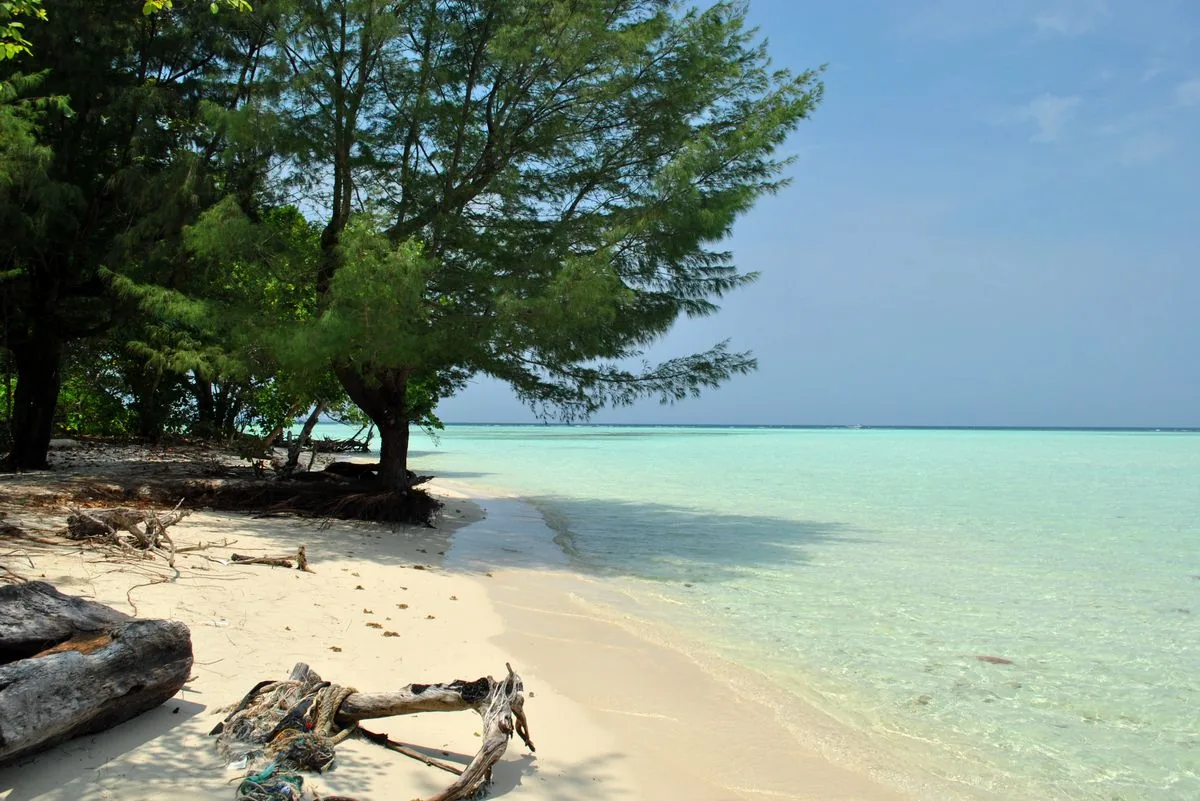
Cemara Besar

Cemara Besar

Known for its extensive white sand beach and clear waters, this island provides a serene environment for snorkeling. The surrounding shallows host patches of healthy hard corals.

Swim toward the drop-off point to see larger schools of fish.

Taka Sendok

Taka Sendok

This area is a popular site for observing patch reefs situated in deeper, crystalline waters. It is often noted in reviews for its visibility and vibrant sea fan colonies.

Keep a safe distance from the reef to avoid coral damage.

Pulau Tengah

Pulau Tengah

This site offers a mix of sheltered waters and diverse reef structures, making it suitable for snorkelers of various experience levels. Reviews often mention the presence of small reef sharks in the outer areas.

Check current conditions with local guides before entering the water.

Etiquette

Rules and Etiquette for Snorkeling Karimunjawa Reviews

Karimunjawa's coral reefs are protected within a national marine park. Responsible snorkeling behavior preserves fragile ecosystems and ensures continued access to these waters.

Do

  • Keep a safe distance from coral formations
  • Use reef-safe sunscreen without oxybenzone or octinoxate
  • Secure all loose items before entering the water
  • Follow your guide's instructions on designated snorkeling zones
  • Report any injured marine life to park rangers
  • Practice controlled breathing to avoid sudden movements near reefs

Don't

  • Touch, stand on, or kick coral with fins
  • Chase, corner, or attempt to feed fish or turtles
  • Remove shells, coral fragments, or any marine specimens
  • Wear chemical sunscreens that damage coral polyps
  • Snorkel alone in unfamiliar waters without a guide
  • Anchor boats directly on coral beds
Book

Check availability

Frequently asked

Frequently asked questions about snorkeling karimunjawa reviews

Everything you need to know about snorkeling karimunjawa reviews

What do snorkeling karimunjawa reviews say about marine biodiversity?

Many visitors sharing snorkeling karimunjawa reviews highlight the vibrant coral reefs and diverse tropical fish populations found throughout the archipelago. These accounts often emphasize the clarity of the water and the health of the marine ecosystems preserved within the conservation area.

Is it necessary to read snorkeling karimunjawa reviews before booking a trip?

Reading snorkeling karimunjawa reviews can provide helpful insights into the quality of local guides and the types of gear provided for underwater excursions. Prospective visitors often check these experiences to ensure their expectations match the reality of the boat trip logistics.

When is the best time to visit for a Karimunjawa islands tour?

The best arrival window for activities is 08:00–12:00, which offers optimal lighting for snorkeling and calmer morning sea conditions. Planning your arrival during these hours helps you avoid the stronger afternoon winds that can impact water visibility.

Are there specific rules I should know for Karimunjawa national park?

All visitors must adhere to local environmental regulations to protect the delicate coral gardens within the national park. Checking official snorkeling karimunjawa reviews often reminds travelers to avoid touching or standing on reef structures during their visits.

What should I look for in a Karimunjawa boat trip?

When reviewing a Karimunjawa islands tour, pay attention to feedback regarding safety equipment, such as the availability of well-fitted life jackets and fins. A quality snorkeling boat trip should prioritize both the passenger experience and the preservation of the marine environment.

How do I pay the conservation fee for this attraction?

The conservation fee of 150,000 IDR per person per day for foreign visitors is typically managed through local park authority stations. Ensure you carry the correct amount in local currency to complete your entry requirements efficiently.

Keep reading

More guides & pages